Introduction
Do you need a CDL to drive a garbage truck? It's a question many people ask.
The answer depends on truck weight and location. In this article, we will clarify when a CDL is required.
You’ll learn the rules and what steps to take next. At KUNGMU TRUCK, we offer top-quality trucks. Learn more about our products today.
What is a CDL, and Why is it Important for Garbage Truck Drivers?
A CDL, or Commercial Driver's License, is required for individuals who operate vehicles designed to transport goods or passengers and meet specific weight requirements. Garbage trucks are typically large, heavy-duty vehicles, and a CDL ensures the driver has the necessary skills and knowledge to operate such vehicles safely. This helps maintain road safety and ensures compliance with both state and federal regulations.
Why Do Garbage Truck Drivers Need a CDL?
Garbage trucks often exceed the weight limits for standard vehicles, making a CDL a legal necessity. Vehicles with a Gross Vehicle Weight Rating (GVWR) of over 26,000 pounds must be operated by someone holding the appropriate CDL to ensure safety. A CDL guarantees that the driver is trained to handle these heavy vehicles properly and responsibly.
Federal CDL Regulations for Garbage Truck Drivers
What Are the Federal Requirements?
According to the Federal Motor Carrier Safety Administration (FMCSA), a CDL is mandatory for vehicles with a GVWR of 26,001 pounds or more. Most full-sized garbage trucks, such as rear-loaders and roll-offs, fall into this category. To operate these vehicles, drivers must hold at least a Class B CDL, which is specific to larger, heavier vehicles.
Does a Garbage Truck Always Require a CDL?
Not every garbage truck requires a CDL. Some smaller trucks, typically those with a GVWR below 26,000 pounds, may not need a CDL. Additionally, garbage trucks that don’t use air brakes might not require a CDL. However, these exceptions are rare. Most garbage trucks fall into the category that requires a CDL, so it’s important to check the weight and specifications of the truck to confirm the requirements.
State-Specific Rules and Exceptions
How Do State Laws Affect CDL Requirements?
While federal guidelines establish the minimum standards for CDL requirements, each state can impose its own rules. For instance, some states allow drivers to operate garbage trucks within state lines (intrastate driving) at the age of 18, while interstate driving requires drivers to be at least 21. States may also have exemptions for vehicles that operate on private property, such as landfills or factory yards.
When Might a Garbage Truck Driver Not Need a CDL?
There are situations where a CDL is not required for garbage truck drivers. For example:
● Trucks with a GVWR under 26,001 pounds and without air brakes.
● Vehicles operating solely on private property, such as landfills, construction sites, or factory yards.
● Routes that remain entirely within one state and qualify for state-level exemptions.
Despite these exceptions, many employers still prefer to hire drivers with CDLs. Having a CDL ensures that drivers are prepared for possible changes in truck type or route conditions.
Different Types of CDLs and Which One Do You Need?
Not every garbage truck requires the same CDL. The class of CDL needed depends on the weight, configuration, and type of the truck. Here’s a breakdown of the different types of CDLs and when each one is required.
Class B CDL: Standard Garbage Trucks
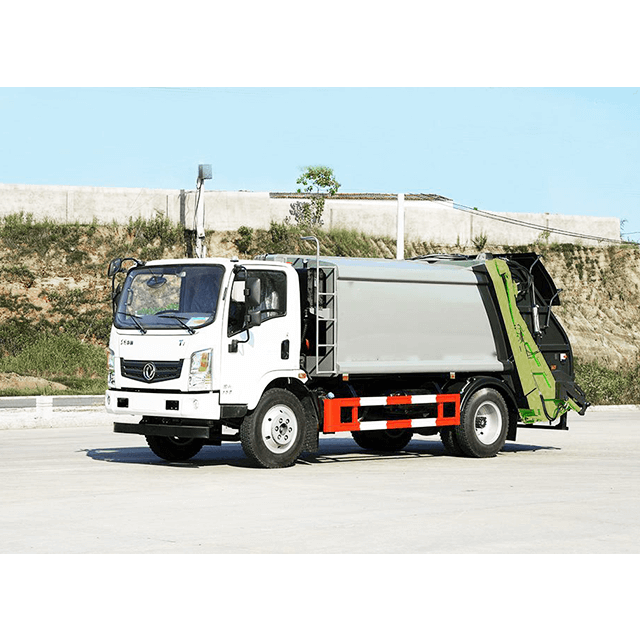
Most garbage trucks require a Class B CDL. These vehicles typically have a Gross Vehicle Weight Rating (GVWR) over 26,001 pounds but don't involve towing large trailers. If you're driving a standard rear-loader, side-loader, or roll-off truck, a Class B CDL will suffice. This class is ideal for drivers who handle single heavy vehicles without towing a trailer.
Class A CDL: When You Need to Tow
If your garbage truck setup involves towing a trailer that weighs more than 10,000 pounds and exceeds a combined weight of 26,001 pounds, you'll need a Class A CDL. Class A CDLs are generally required for larger or combination rigs used for regional hauling or transfer operations. Drivers with a Class A CDL can operate both Class A and Class B vehicles, providing more flexibility for various types of garbage truck operations.
Air Brake and Other Endorsements
Many garbage trucks are equipped with air brakes, requiring an additional endorsement. An air brake endorsement is needed to legally operate a truck with these systems. If you plan to operate a garbage truck that uses air brakes, you must pass the necessary written test to obtain this endorsement. In some cases, endorsements for handling hazardous materials may also be required, depending on the type of waste being transported. These endorsements ensure drivers are properly trained for specialized equipment or cargo.
Garbage Truck Type | CDL Class Needed | Additional Requirements |
Standard Rear-Loader | Class B | Air brake endorsement if applicable |
Automated Side-Loader | Class B | Air brake endorsement if applicable |
Roll-Off Truck (no trailer) | Class B | Air brake endorsement if applicable |
Roll-Off Truck (with trailer) | Class A | Air brake endorsement, trailer endorsement |
Transfer Trucks | Class A | Air brake endorsement, may require hazmat |
How to Obtain a CDL for Garbage Truck Driving
Steps to Getting Your CDL
To operate a garbage truck, drivers must complete several key steps to obtain a CDL:
1. Pass a written knowledge exam – This includes general knowledge about truck operation, traffic laws, and vehicle safety. It may also cover air brakes if applicable.
2. Complete a skills test, including a road test – The skills test demonstrates practical driving ability. You will need to perform specific maneuvers, such as parking, reversing, and handling turns.
3. Meet medical standards – Drivers must pass a physical exam conducted by a Department of Transportation (DOT)-certified doctor. The medical exam ensures that drivers are physically capable of operating large vehicles.
4. Obtain any required endorsements – If your garbage truck uses air brakes or involves transporting hazardous materials, you will need to obtain specific endorsements. Additional endorsements may be required based on the type of truck.
CDL Training for Garbage Truck Drivers
CDL training is a critical step in becoming a garbage truck driver. Accredited driving schools offer comprehensive programs that combine classroom learning with hands-on driving experience. These programs typically last between 3 to 7 weeks, depending on the training provider and the type of CDL you are pursuing.
The cost of CDL training varies based on location and program type but generally ranges between $3,000 to $7,000. The training will cover everything from vehicle inspection and safety protocols to operating a garbage truck in various conditions.
Step | Description |
1. Written Knowledge Exam | Pass written test covering general and air brake knowledge |
2. Skills Test | Demonstrate road skills and vehicle handling |
3. Physical Exam | Medical examination by a DOT-certified doctor |
4. Endorsements | Additional endorsements as required (e.g., air brake, hazmat) |
What Employers Look for in Garbage Truck Drivers
Qualifications and Experience Employers Value
In addition to having a CDL, employers seek drivers who possess relevant experience and a clean driving record. Many garbage truck companies prefer candidates with at least 1–2 years of commercial driving experience. Familiarity with operating large vehicles, particularly navigating tight residential streets and alleys, is highly valued. Additionally, hands-on experience with hydraulic lift systems and other specialized truck features is often preferred. Employers also look for drivers who can handle the physical demands of the job, such as lifting bins and working in various weather conditions.
How Age and Experience Impact Your Ability to Get Hired
The legal age for obtaining a CDL varies depending on the driving area. For intrastate driving, where the routes are confined to one state, drivers can begin at 18. However, for interstate driving, which involves crossing state lines, drivers must be at least 21. Many employers, particularly those operating in municipalities or serving large fleets, prefer to hire drivers who are over 21 due to insurance requirements and liability concerns. Having a clean driving record, proven reliability, and relevant experience can significantly enhance your chances of getting hired, especially for positions with higher responsibilities or more complex routes.
Type of Driving | Minimum Age (State) | Experience Preferred |
Intrastate (within state) | 18 | 1–2 years commercial driving |
Interstate (across state lines) | 21 | 1–2 years commercial driving, experience with larger vehicles |
Conclusion
In most cases, a CDL is required to drive a garbage truck, usually a Class B CDL. However, exceptions exist based on truck weight, air brakes, and road type. It's crucial to check the requirements specific to your truck and location. Understanding these regulations helps ensure compliance and guides your career choices. KUNGMU TRUCK offers high-quality trucks designed to meet these needs, providing reliable solutions for your waste management operations.
FAQ
Q: Do you need a CDL to drive a garbage truck?
A: Yes, most garbage trucks require a CDL, typically a Class B, especially if the vehicle's weight exceeds 26,000 pounds.
Q: What is the minimum age to drive a garbage truck with a CDL?
A: To drive a garbage truck across state lines, you need to be at least 21. For intrastate driving, the minimum age is usually 18.
Q: Can a smaller garbage truck be driven without a CDL?
A: If the garbage truck's weight is under 26,000 pounds and doesn’t use air brakes, you might not need a CDL.
Q: How do I obtain a CDL for a garbage truck?
A: To get a CDL for a garbage truck, you'll need to pass written tests, a road exam, and meet medical requirements.


