Introduction
Have you ever wondered how a garbage truck works? These trucks are essential for waste collection, but how do they operate?
In this article, we will break down the components that make garbage trucks so effective. You’ll learn about the hydraulic systems, compaction technology, and more.
Trucks like those from KUNGMU TRUCK are built for maximum efficiency. Learn more about our products today.
Key Components of a Garbage Truck
Chassis and Cab
The chassis is the structural foundation of the garbage truck. It houses the engine, wheels, axles, and supports the rest of the truck's components. The cab is where the driver operates the truck and controls its various functions, such as lifting the trash bins and compacting trash. The cab provides a workspace for the driver to control the hydraulics, route, and trash collection process.
Hopper and Loading Mechanism
The hopper is the space where the waste is deposited after being collected. It is designed to hold large volumes of trash before it is compacted. The loading mechanism, whether manual or automated, is responsible for lifting the waste bins and emptying them into the hopper. Rear-loaders, side-loaders, and front-loaders all have variations of loading mechanisms based on the waste collection needs and space available.
Compaction System
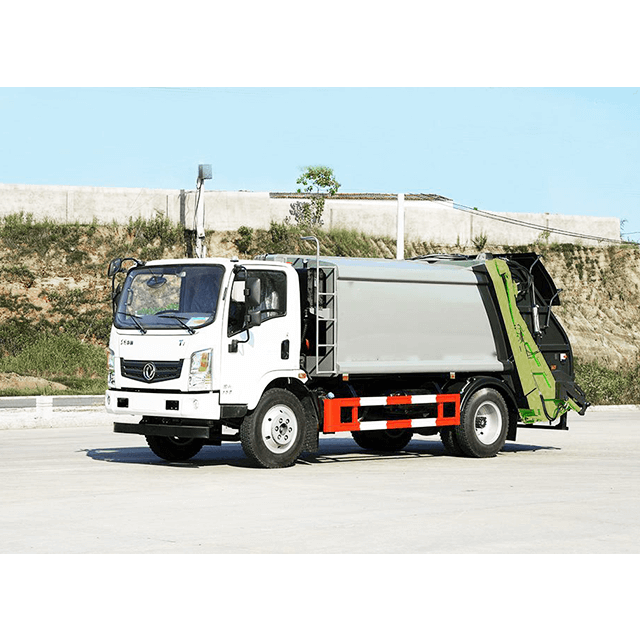
Compacting waste is a crucial function of garbage trucks. The compaction system uses hydraulic systems to press trash into a smaller space, allowing the truck to carry more waste and reduce the number of trips to disposal sites. The hydraulic-powered packer blades push the waste into the truck’s storage compartment, ensuring a more efficient load.
Hydraulic System
Hydraulics are the driving force behind many of the truck's functions. The hydraulic system powers the lifting arms, compaction plates, and the ejection system. It uses hydraulic fluid under pressure to generate the force needed for lifting trash bins, compacting waste, and unloading the truck when it reaches the disposal site. This powerful system ensures that the truck can handle heavy loads with ease.
Tailgate and Ejection System
The tailgate is the large door at the rear of the truck. After the waste is compacted into the main storage area, the tailgate is sealed to keep the trash inside. When the truck reaches a landfill or recycling center, the tailgate opens, and the compacted trash is pushed out using an ejector or discharge plate. The tailgate plays a crucial role in keeping the truck’s contents secure during transport.
Controls
The controls inside the driver’s cab allow the driver to operate the various systems of the truck. These include buttons, levers, or joysticks used to activate the hydraulic system, operate the lift arms, and control the compaction process. The driver can adjust the settings to ensure that the waste is collected efficiently and safely.
Key Component | Function | Importance |
Chassis & Cab | Supports the entire vehicle | The base structure for all operations |
Hopper | Holds and funnels waste into the truck | Helps to streamline waste collection |
Compaction System | Compresses the waste | Maximizes truck capacity and reduces trips |
Hydraulic System | Powers lifting and compaction | Provides the force needed for key functions |
How Garbage Trucks Load Waste
Rear-Loader Trucks
Rear-loader trucks are commonly used for residential waste collection. These trucks load trash into a hopper located at the back of the vehicle. Workers either roll or lift trash bins into the hopper, which is equipped with a hydraulic lift to assist with heavier bins. Once the waste is in the hopper, a hydraulic-powered packer blade pushes it into the main compartment of the truck, compacting it as it moves.
Rear-load trucks are versatile and can be used in both residential and small commercial areas. The rear-loading system allows workers to collect trash efficiently without needing to navigate complex routes or narrow streets.
Side-Loader Trucks
Side-loaders are often used in urban environments where space is limited. These trucks can be either manual or automated. Manual side-loaders require workers to move bins to the side of the truck, where they are loaded into the hopper. In contrast, automated side-loaders use robotic arms controlled by the driver to lift the bins and dump the trash into the hopper. This system increases efficiency and reduces manual labor, allowing the driver to remain in the cab.
Truck Type | Loading Method | Efficiency Benefits | Ideal Use Case |
Rear-Loader | Manual lifting into rear hopper | Good for residential and small commercial areas | Versatile for various trash types |
Side-Loader | Robotic arm for bin lifting | Reduces manual labor, increases speed | Urban and high-density areas |
Front-Loader | Lifts large dumpsters | Can handle large waste containers | Commercial and large bins |
Roll-Off Truck | Dumpsters rolled on/off | Suitable for large-scale waste | Construction, clean-ups, industrial |
Front-Loader Trucks
Front-loaders are designed for commercial waste collection. They can lift large, heavy bins and containers and dump them directly into the truck. These trucks are ideal for businesses with heavy waste loads, such as restaurants or industrial sites.
Roll-Off Trucks
Roll-off trucks are used for large-scale waste collection, such as construction debris, bulky waste, or clean-up projects. These trucks carry large, open-top containers (dumpsters) and can drop them off and pick them up at various locations. Unlike other trucks, roll-off trucks do not compact the waste. Instead, they transport large quantities of waste in a single trip.
The hydraulic system in roll-off trucks allows the driver to tilt the truck bed and drop off or load the dumpster. These trucks are commonly used for large construction sites, renovations, and major clean-ups.
The Role of Hydraulics in Garbage Trucks
Lifting the Bins
The hydraulic system is activated to lift waste bins into the truck’s hopper. Hydraulic arms or lifting mechanisms are used to grab and elevate the bins, making waste collection more efficient and faster.
Compaction of Waste
Once the waste is in the hopper, the hydraulic system operates a compaction blade or panel that compresses the waste. This reduces the volume of waste inside the truck, allowing it to carry more material and reduce the frequency of trips to the landfill.
Ejecting the Waste
At the disposal site, the truck's hydraulic ejection system helps unload the waste. The tailgate opens, and hydraulic pressure is used to push the compacted waste out of the truck. This system ensures that the waste is efficiently disposed of without delays.
Managing Heavy Loads
The hydraulic system enables the truck to handle heavy loads of waste without overloading the vehicle’s frame. This ensures the truck operates safely while carrying a large amount of waste.
Hydraulic Function | Role in Operation | Key Benefit |
Lifting arms | Lift bins into the truck | Facilitates quick waste collection |
Compaction plates | Compress waste | Maximizes space, reduces trips to disposal |
Ejection system | Ejects waste at disposal site | Clears truck quickly for next collection |
How Does Garbage Truck Transportation Work?
Transportation to Disposal Sites
After collecting and compacting the waste, the garbage truck transports it to a disposal site. These sites may include landfills, recycling centers, or waste-to-energy plants. The truck’s engine provides the power needed to carry the waste over long distances, depending on the route and site location.
Dumping Process
When the garbage truck reaches the disposal site, the tailgate opens, and the compaction system pushes the waste out of the truck. The waste is then either landfilled, sorted for recycling, or processed for energy recovery.
Road and Weight Limitations
The route that garbage trucks take is carefully planned to minimize fuel consumption and ensure efficient waste disposal. Additionally, garbage trucks must adhere to weight restrictions imposed by local road regulations to prevent damage to infrastructure and ensure road safety.
Technological Advancements in Garbage Trucks
Automated and AI-Controlled Systems
Modern garbage trucks are incorporating automation and artificial intelligence (AI) to enhance efficiency. Automated systems allow trucks to operate with less manual labor, reducing the risk of injury and speeding up the waste collection process. AI can help optimize routes, improving fuel efficiency and reducing carbon emissions.
GPS and Real-Time Monitoring
Garbage trucks are increasingly equipped with GPS tracking and real-time monitoring software to enhance operational efficiency. These systems allow waste management companies to track trucks' locations and optimize routes to avoid traffic and reduce travel time.
Green Technology and Sustainability
Many garbage trucks are now moving towards more eco-friendly technologies. Hybrid and electric garbage trucks are being developed to reduce emissions, helping municipalities meet environmental goals. These green technologies reduce the carbon footprint of waste management operations.
Environmental Impact of Garbage Trucks
Reducing Fuel Consumption
By optimizing routes and using fuel-efficient engines, garbage trucks help reduce their carbon footprint. Fuel-efficient models lower greenhouse gas emissions, contributing to a cleaner environment.
Minimizing Waste on the Road
Compaction technology ensures that garbage trucks carry as much waste as possible in a single trip. This reduces the number of trips required, thereby lowering fuel consumption and traffic congestion.
Recycling and Waste Diversion
Some garbage trucks are equipped with features that separate recyclables from non-recyclables during collection. This helps increase recycling rates and reduces the amount of waste sent to landfills.
Conclusion
Garbage trucks are essential for waste management, and their complex systems ensure efficient operations. Advanced hydraulic systems lift and compact waste, while technologies like automation and GPS improve overall efficiency. As technology advances, garbage trucks continue to evolve, reducing fuel consumption and environmental impact. Trucks from KUNGMU TRUCK are designed to offer superior efficiency, helping waste management systems run more smoothly.
FAQ
Q: How much weight can a garbage truck lift?
A: A garbage truck can typically lift between 300 pounds to 40,000 pounds depending on the truck type, from residential bins to large commercial dumpsters.
Q: What is the maximum payload capacity of a front-loader garbage truck?
A: Front-loader trucks can typically lift dumpsters weighing between 4,000 and 8,000 pounds and carry a payload capacity of up to 25 tons.
Q: How do weather conditions affect the lifting capacity of garbage trucks?
A: Harsh weather conditions, such as snow or ice, can reduce a truck’s ability to lift heavy waste, as the hydraulic systems may struggle under such conditions.
Q: Can garbage trucks lift construction debris?
A: Yes, roll-off trucks are designed to lift construction debris, with a lifting capacity of up to 40,000 pounds depending on the size of the container.


